
Three Safe City Surveillance Cameras Stolen in Islamabad, Theft Detected Nearly a Month Later

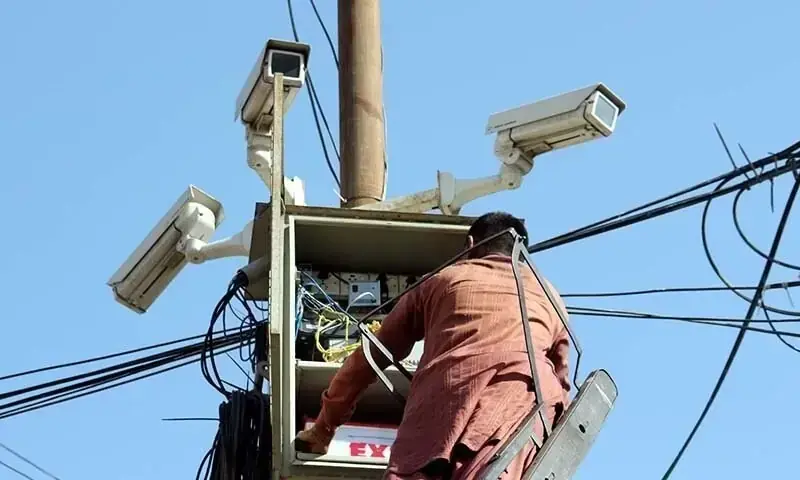
ISLAMABAD: Three surveillance cameras belonging to the Islamabad Safe City Authority were stolen from Sector G-9/4, raising concerns over the effectiveness of the capital’s monitoring system after the incident remained unnoticed for nearly four weeks. According to police officials, the theft occurred on May 5, 2026, but authorities only became aware of it 26 days later when a technical team investigated why the cameras had gone offline. The stolen equipment included three dome cameras and a control cabinet, with the total loss estimated at approximately Rs549,500. The suspects reportedly removed the cameras along with the cabinet and fled the scene. A complaint filed by Safe City official Ahmed Hassan led to the registration of a case at Karachi Company Police Station against two unidentified suspects. Police sources said footage recorded before the cameras went offline captured two individuals carrying out the theft. However, despite the cameras ceasing transmission on the day of the incident, no immediate action was taken to investigate the disruption. Officials stated that a technical inspection was conducted on May 31 after the prolonged outage was noticed. Upon arriving at the location, technicians discovered that both the surveillance cameras and cabinet had been removed. A review of the final available recordings confirmed the theft. The incident has highlighted concerns regarding the monitoring and maintenance procedures of the Safe City surveillance network, particularly given that the system is designed to detect and deter criminal activity. Similar Incidents Reported Earlier This is not the first time Safe City equipment has been targeted. In April 2026, a facial recognition camera installed at Faizabad Metro Station was stolen. Authorities only discovered the theft after the device remained offline for several days. An investigation later revealed footage showing a suspect removing the camera. A case was registered nine days after the incident. Another theft occurred in October 2025 when thieves stole a battery worth Rs35,000 from Safe City equipment installed in Sector G-9/2, approximately 1.5 kilometres from Karachi Company Police Station. In March 2024, two surveillance cameras valued at over Rs1.1 million disappeared from the Koral Flyover area after monitoring staff stopped receiving footage from the devices. Similarly, in September 2023, a Safe City camera worth Rs120,000 was stolen near Margalla Police Station. Authorities reportedly learned about the incident nearly two weeks after the theft took place. The repeated thefts have raised questions about the security and oversight of Islamabad’s Safe City infrastructure, with critics calling for stronger monitoring mechanisms to prevent future losses.
Faisal Mosque: Islamabad’s Iconic Masterpiece of Modern Islamic Architecture

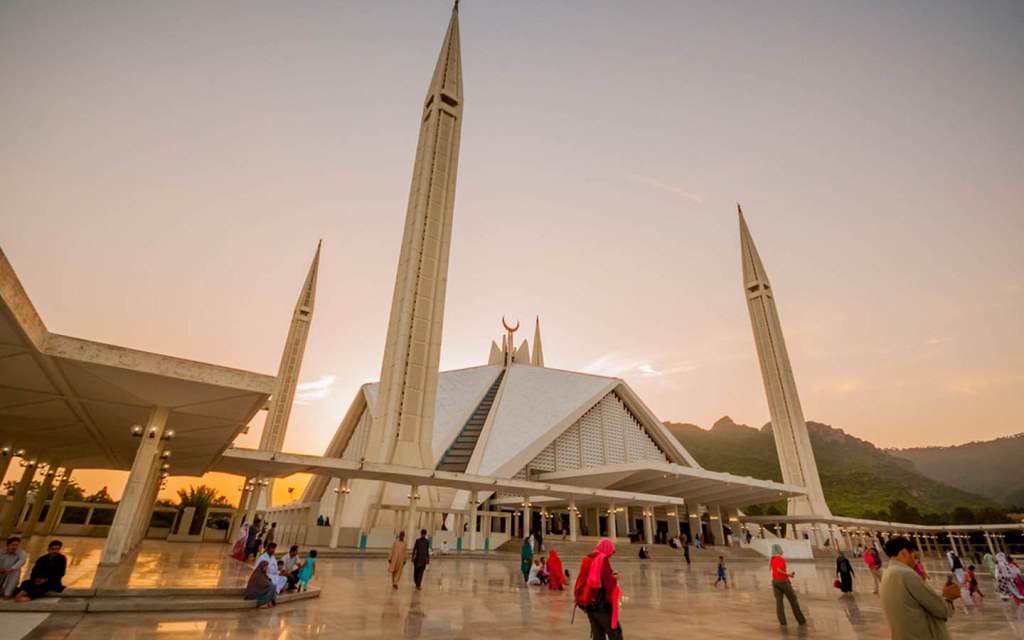
Standing gracefully at the foothills of the Margalla Hills, Faisal Mosque is one of Pakistan’s most recognizable landmarks and a symbol of Islamabad’s beauty. Renowned for its striking architecture and breathtaking surroundings, the mosque attracts thousands of visitors and worshippers from around the world every year. A Brief History of Faisal Mosque The idea of constructing Faisal Mosque originated during the visit of Saudi King Faisal bin Abdulaziz to Pakistan in 1966. Inspired by the vision of building a grand mosque in the newly established capital city, an international design competition was held in 1969. Architects from 17 countries submitted proposals, and the winning design was created by Turkish architect Vedat Dalokay. His innovative concept broke away from traditional mosque architecture, offering a modern interpretation of Islamic design. Construction officially began in the late 1970s and was funded by the Kingdom of Saudi Arabia. The mosque was completed in 1986 and later named in honor of King Faisal for his contribution to the project. A Unique Architectural Wonder Unlike most traditional mosques, Faisal Mosque does not feature a central dome. Instead, its main structure resembles a Bedouin desert tent, creating a distinctive silhouette that sets it apart from other Islamic landmarks around the world. Built with white marble, the mosque is surrounded by four elegant minarets rising approximately 79 meters into the sky. The combination of sharp geometric lines and open spaces reflects a modern yet deeply Islamic architectural identity. Inside, visitors are welcomed by a magnificent prayer hall adorned with beautiful calligraphy created by renowned Pakistani artist Sadequain. The high ceilings, grand chandeliers, and spacious interior enhance the spiritual atmosphere of the mosque. Capacity and Facilities Faisal Mosque is currently the largest mosque in Pakistan and can accommodate around 300,000 worshippers across its prayer halls, courtyards, and surrounding grounds. The complex also includes: A separate prayer area for women A library and lecture hall Ablution facilities A museum A small gift shop Quaid-e-Azam Auditorium Location and Scenic Surroundings Situated on Shah Faisal Avenue in Sector E-8, Islamabad, the mosque occupies a prime location at the base of the Margalla Hills. Its elevated position allows it to dominate the city’s skyline and makes it visible from several viewpoints, including the popular tourist destination Daman-e-Koh. The combination of lush green mountains and stunning white marble architecture makes Faisal Mosque one of the most photographed locations in Pakistan. Renovation and Preservation Efforts To preserve the mosque’s grandeur, the Capital Development Authority (CDA) has announced a major renovation project. The initiative includes repairs to the mosque’s infrastructure, parking areas, public facilities, and landscaping to ensure the landmark remains in excellent condition for future generations. A Must-Visit Destination Whether you are a tourist, photographer, architecture enthusiast, or simply a visitor exploring Islamabad, Faisal Mosque remains a must-see destination. Its blend of spiritual significance, architectural brilliance, and natural beauty continues to make it one of Pakistan’s most treasured landmarks.