flash 24 news

US-Iran Talks in Islamabad: Key Figures and Why the Meeting Matters

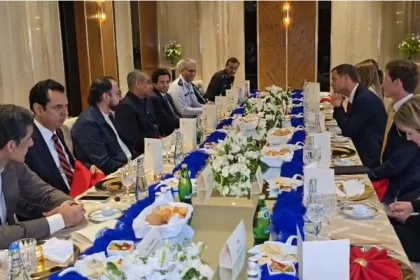
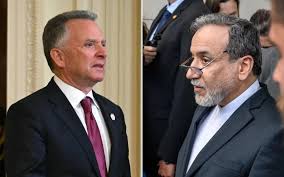
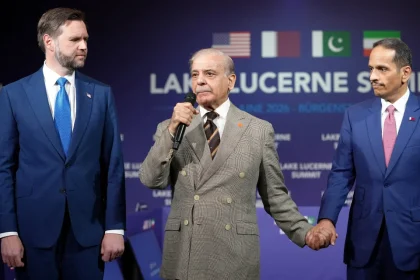
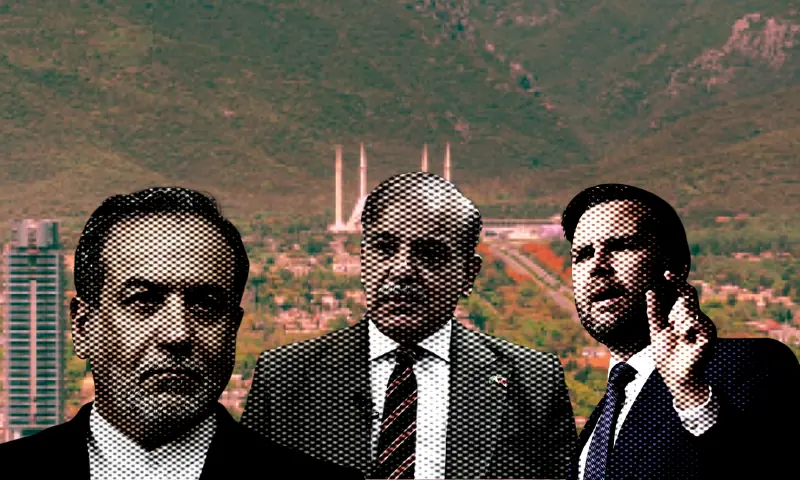
ISLAMABAD: Pakistan will host high-level talks between the United States and Iran this weekend. The goal is to keep a ceasefire and prevent more fighting in the Middle East. The talks come after weeks of conflict involving the US, Israel and Iran. Islamabad played a role in helping to secure a temporary truce. ### Who Is Representing the United States? The US team will be led by Vice President JD Vance. He is an ally of President Donald Trump. Vance has been involved in mediation efforts. Has talked to Pakistani intermediaries throughout the crisis. Also on the US team are Special Envoy Steve Witkoff and presidential adviser Jared Kushner. They have taken part in discussions about Irans nuclear program and regional security.. Iranian officials have expressed concerns about working directly with them. ### Who Will Represent Iran? Irans team will be led by Foreign Minister Abbas Araghchi. He is a diplomat and former chief nuclear negotiator. He played a role in the 2015 nuclear agreement. The Iranian delegation will also include Parliament Speaker Mohammad Bagher Ghalibaf. He is a political figure with strong ties to Irans security establishment. Ali Akbar Ahmadian, a security official will also be there. He is linked to the countrys defense policies. Abdolnaser Hemmati, an expert will also participate. This shows that sanctions relief and financial issues are important in the negotiations. ### Why Are the Talks Important? The Islamabad meeting is the major face-to-face diplomatic effort since the recent conflict. It pushed the region to the brink of a war. The talks in Islamabad matter because they can help prevent fighting. The US and Iran will discuss issues like Irans program, sanctions relief and regional security. Pakistan is playing a growing role as a mediator. This is one of the sensitive crises in the Middle East. ### A Critical Moment The ceasefire is still fragile. Officials hope the Islamabad talks can lay the groundwork for an agreement. This can reduce the risk of renewed conflict. Tensions are still high and trust between both sides is limited. The outcome of these talks could have implications, for regional stability and international diplomacy.

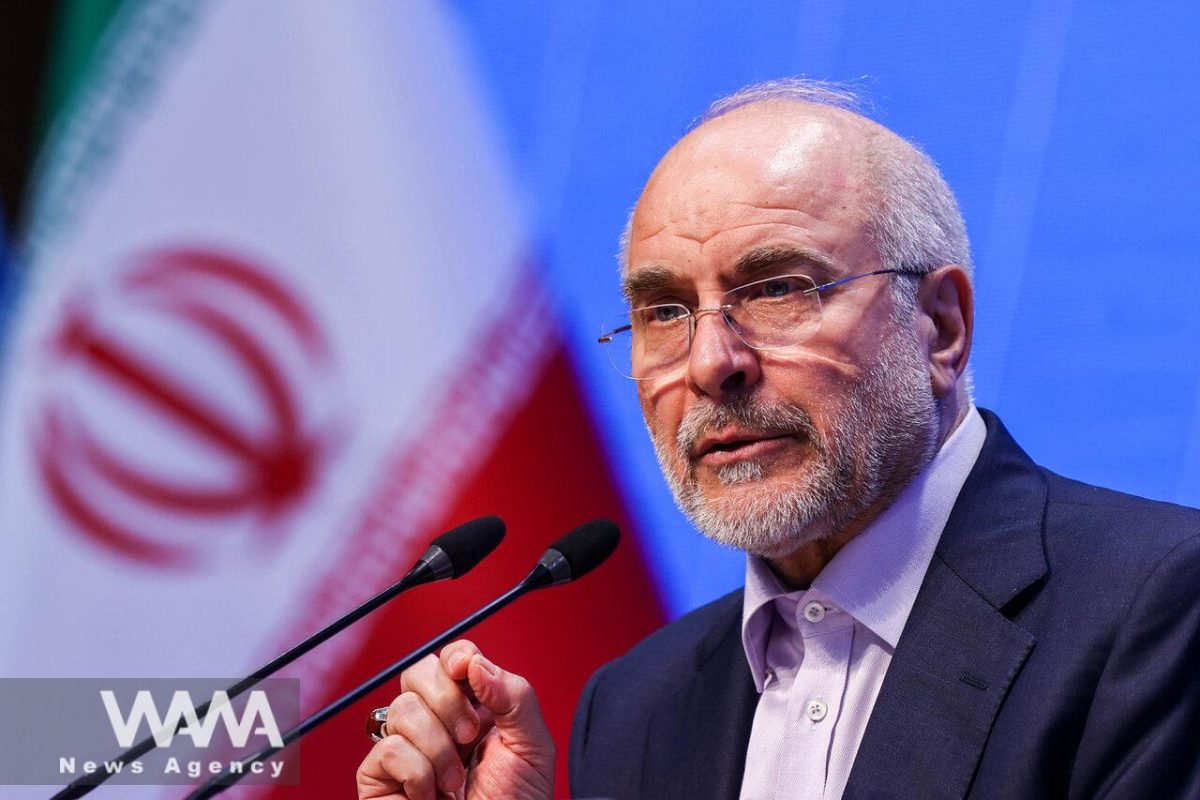
The Iranian Parliament Speaker Mohammad Baqer Qalibaf says Irans military capabilities are what brought the United States to the negotiating table.

TEHRAN: He made this statement in Tehran. Mohammad Baqer Qalibaf claims that Irans military strength played a role in getting the United States to talk to them. Irans missile strength is what made the United States want to negotiate. This is what Mohammad Baqer Qalibaf said about the talks between Iran and the United States. He said that any progress they made was because of Irans missiles and good defense strategy. Mohammad Baqer Qalibaf said that Iran does not just believe what other countries say. Iran wants to see actions and guarantees before making any decisions. Mohammad Baqer Qalibaf posted something on social media platform X. He said that Iran is careful when dealing with the United States. Iran does not trust what the United States says or writes down. He also said that Iran does not want to start a fight. Iran will not start a conflict long as the other side does not do anything to them. Mohammad Baqer Qalibaf warned that countries talking to each other should be ready for anything. He said that the country that can defend itself is, in a position. Mohammad Baqer Qalibaf made these comments while Iran and the United States are still talking about their problems. They are trying to find ground even though they do not trust each other. Iran and the United States are discussing tensions and other diplomatic issues.

Trump Optimistic About Progress in US-Iran Talks Amid Regional Unrest

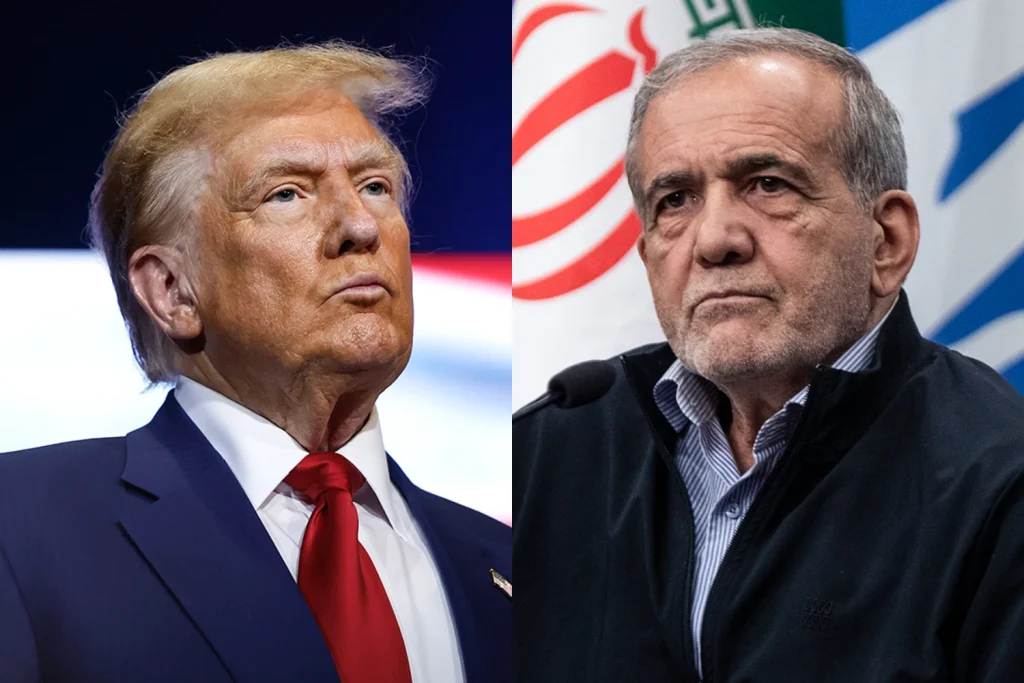
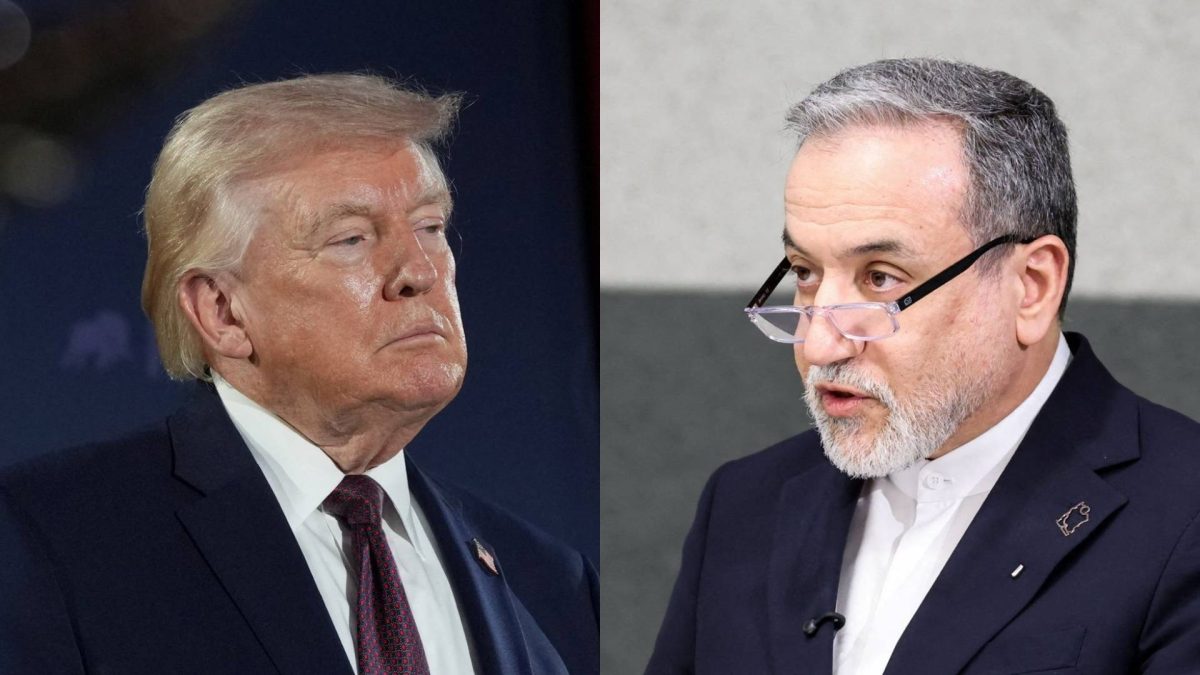
WASHINGTON: The President of the United States Donald Trump is feeling good about the talks between the United States and Iran. He thinks that the United States and Iran can come to an agreement soon maybe even this weekend. Donald Trump talked to reporters at the White House. Said that the discussions between the United States and Iran are going well. He said that if everything keeps going like it is the United States and Iran can reach an agreement in a few days. The President also said that what is happening in Lebanon should not get in the way of the talks between the United States and Iran. He said that the United States needs to deal with the issues in Lebanon and the issues with Iran separately. The Secretary of State Marco Rubio said that Irans nuclear program is a part of the talks. The United States wants Iran to promise that it will slow down its activities deal with the uranium it has and help keep the waterways in the region safe. Iran is being more careful about what it says about the talks. The Foreign Minister of Iran Abbas Araghchi said that Iran is still talking to the United States but far nothing big has happened. He also said that if there is fighting in the region especially in Lebanon it could make things even worse and hurt the talks. The talks between the United States and Iran are happening at a time when the region’s very tense. There was a lot of fighting this year between Iran, Israel and the United States and it is not clear if the ceasefire will hold. Something else that is causing problems is what happened at the airport in Kuwait. A drone flew into the airport. Killed one person and hurt several others. Iran said it had nothing to do with the attack. The airport had to stop flights for a while but then they started again. People who live near the airport were very confused and unsure about what was happening. With all the security problems Donald Trump said that he still thinks talking is the best way to solve the problems. He said that he is hopeful that the talks between the United States and Iran will work out. The United States and Iran talks are moving forward Donald Trump said. He seems to think that the United States and Iran are still making progress and that the talks are going in the direction. Donald Trump is feeling good, about the progress the United States and Iran are making.

Trump Says Israel-Iran Peace Talks Remain on Track Despite Fresh Strikes

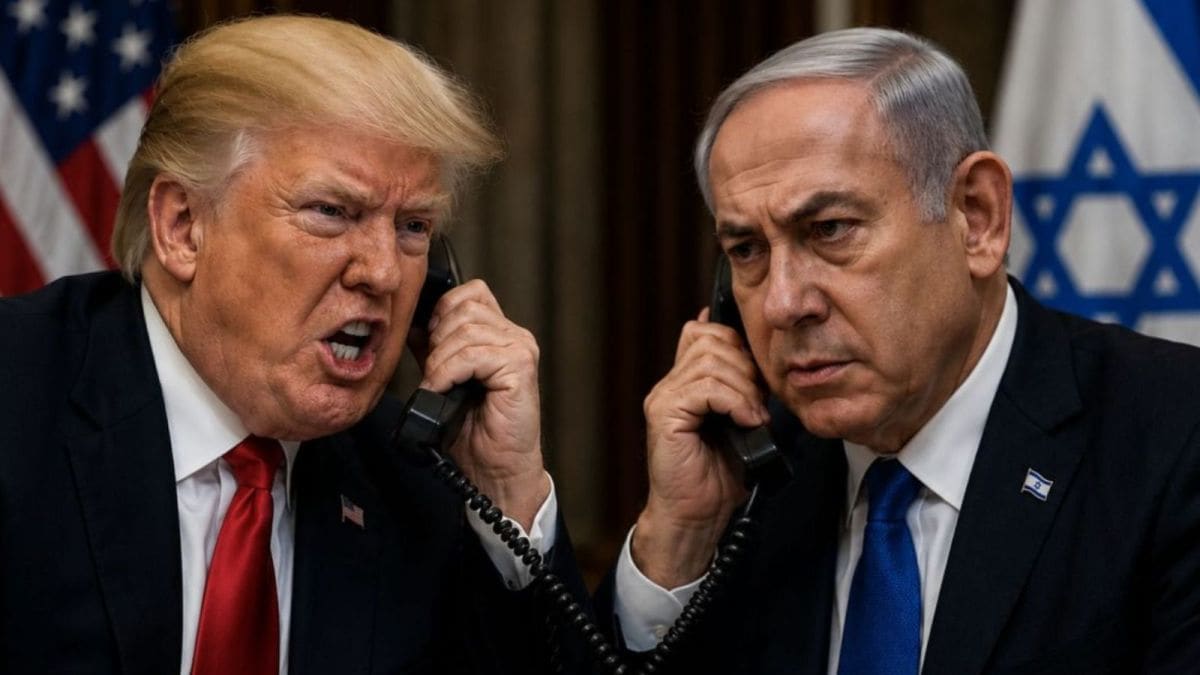
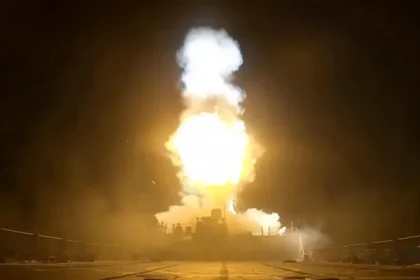
WASHINGTON: US President Donald Trump has insisted that ongoing peace efforts involving Israel and Iran will continue despite the latest exchange of military strikes between the two regional rivals. Speaking to reporters, Trump said recent hostilities would not derail diplomatic negotiations, expressing confidence that an agreement remains possible. “The talks are still moving forward,” Trump said, adding that US foreign policy decisions are ultimately made by Washington. “I call the shots. He doesn’t call the shots,” he remarked in reference to Israeli Prime Minister Benjamin Netanyahu. His comments came after Israel launched strikes near Beirut, prompting Iran to respond with missile attacks targeting Israeli positions. The renewed violence has heightened concerns over a broader regional conflict. Iran said its missiles were aimed at an Israeli military facility, while Israeli authorities stated that their air defence systems intercepted incoming projectiles. At the same time, tensions in Lebanon continued to rise as Israeli forces carried out operations against targets linked to Hezbollah, further complicating efforts to maintain stability in the region. The latest escalation also impacted global markets, with oil prices climbing more than two percent amid fears that continued fighting could disrupt energy supplies. Brent crude prices moved above $95 per barrel during trading. Trump also confirmed that he held a brief phone conversation with Netanyahu, during which he urged caution and advised against further escalation while negotiations remain underway. However, no details of the discussion were officially disclosed. Despite the ongoing conflict on multiple fronts, the US president maintained that diplomatic channels remain open and that prospects for a broader agreement have not faded. “The possibility of a deal is still there,” Trump said, signalling that Washington remains committed to pursuing a negotiated outcome.

Israel-Iran Tensions May Strengthen Tehran’s Position in Nuclear Talks

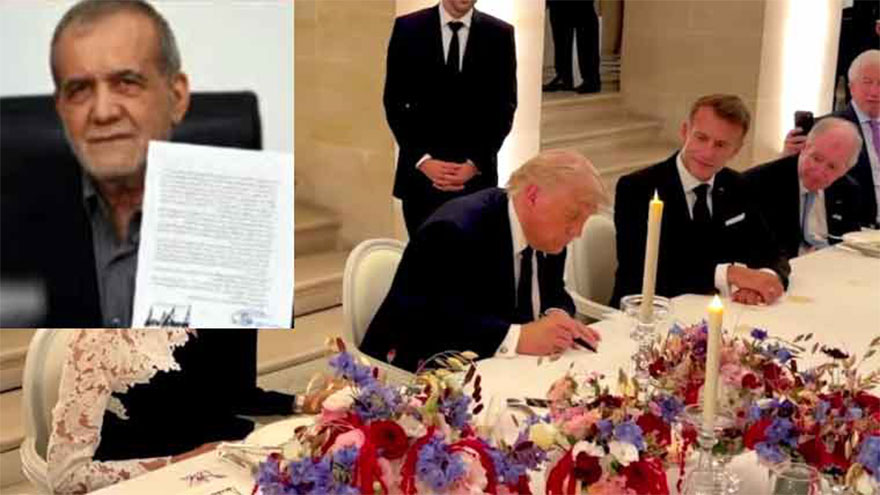
Fresh tensions between Israel and Iran could give Tehran greater leverage in its ongoing negotiations with Washington, as both sides exchange strikes while diplomatic efforts continue behind the scenes. The latest escalation began after Iran launched missiles towards Israel, describing the move as retaliation for Israeli attacks in Lebanon’s capital, Beirut. In response, Israel carried out airstrikes inside Iran for the first time since an April ceasefire. The exchange has raised concerns about another direct confrontation in the Middle East, despite US President Donald Trump’s public efforts to prevent further escalation. Trump had reportedly urged Israeli Prime Minister Benjamin Netanyahu not to retaliate following Iran’s missile attack. However, Israeli forces proceeded with strikes on Iranian targets hours later, fueling questions over Washington’s influence on its key ally. While Trump later insisted that Netanyahu had not ignored his advice, analysts believe the developments exposed differences between public messaging and the realities of regional security coordination. The renewed hostilities come as the United States continues to pursue a nuclear agreement with Tehran. Iranian officials appear to believe the recent confrontation has strengthened their bargaining position, particularly as Washington seeks to avoid a broader conflict in an election year. Iranian President Masoud Pezeshkian suggested that military strength and diplomacy go hand in hand, saying the country had neither abandoned negotiations nor backed away from defending its interests. Tehran is reportedly seeking sanctions relief, access to frozen assets, and limits on further regional escalation as part of any future agreement with the United States. Meanwhile, Hamas and other Palestinian groups are holding talks with mediators in Egypt as efforts continue to preserve fragile ceasefires across the region. Despite signals from both Israel and Iran that they are prepared to pause direct attacks, both sides have warned they would respond forcefully to any future violations. The latest flare-up highlights the fragile state of Middle East diplomacy, where military actions and political negotiations continue side by side, leaving the future of regional stability uncertain.

Israeli Strike on Gaza Tent Camp Kills Six, Injures Several Others

GAZA CITY: At least six people were killed and more than a dozen injured after an Israeli airstrike targeted a tent camp sheltering displaced families in Gaza City on Saturday, according to local medical sources. Officials at Al-Shifa Hospital said at least 15 injured people were brought to the facility, with several reported to be in critical condition. Women and children were among the casualties, while the death toll is expected to rise. Witnesses said the strike hit a tent inside a displacement camp, causing a powerful explosion and triggering panic among residents. Emergency teams and civilians rushed to evacuate the wounded as chaos spread through the area. The Israeli military said it had targeted individuals it described as militants but did not provide further details. The latest attack comes amid ongoing tensions despite a ceasefire agreement that took effect in October. Palestinian group Hamas condemned the strike, calling it a deadly attack on civilians and accusing Israel of continuing military operations across the Gaza Strip. In a separate incident earlier on Saturday, another strike in Khan Younis reportedly killed a man who was due to be married later that day. Additional shelling and drone fire were also reported in parts of Gaza City. The violence coincides with meetings in Cairo involving Hamas, Palestinian factions, and mediators aimed at discussing the future of the ceasefire agreement and efforts to advance negotiations. Talks are expected to focus on implementing previous commitments, reopening border crossings, increasing humanitarian aid deliveries, and addressing unresolved issues surrounding the next phase of the truce. Hamas officials have accused Israel of violating ceasefire terms and obstructing progress toward a broader agreement.