Global oil prices moved lower on Friday after commercial shipping resumed through the Strait of Hormuz, easing concerns over supply disruptions following a diplomatic agreement between the United States and Iran.
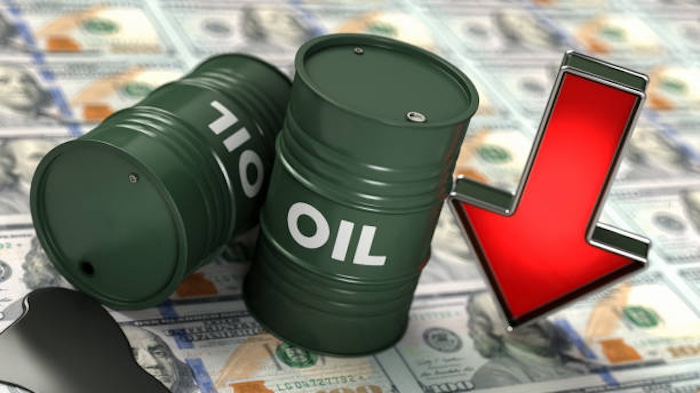
By 0328 GMT, Brent crude futures had fallen 43 cents, or 0.54%, to $79.42 per barrel, while US West Texas Intermediate (WTI) crude slipped 17 cents, or 0.22%, to $76.43 per barrel. The more actively traded August WTI contract also declined by 30 cents to $75.55 per barrel.
The latest decline followed a sharp drop in prices during the previous trading session, with both benchmark contracts reaching their lowest levels since early March.
Market sentiment improved after several oil tankers successfully passed through the Strait of Hormuz, including Saudi-flagged vessels transporting millions of barrels of crude oil. The reopening of one of the world’s most important energy shipping routes helped reduce fears of prolonged supply disruptions.
The renewed maritime activity came shortly after reports of an interim agreement between Washington and Tehran aimed at easing regional tensions and restoring stability to global energy markets.
Analysts believe the agreement could pave the way for the release of significant oil supplies that had remained stranded during the recent conflict. Expectations of increased Iranian oil exports following potential sanctions relief have also contributed to the downward pressure on crude prices.
Market experts noted that traders are closely monitoring shipping activity through the Strait of Hormuz before concluding that supply conditions have fully returned to normal. The waterway carries nearly one-fifth of the world’s oil and liquefied natural gas shipments, making it one of the most strategically important trade routes globally.
Energy producers across the Gulf region have also begun preparing for higher export volumes. Kuwait Petroleum Corporation announced the withdrawal of force majeure declarations issued during the recent conflict, while Iraq signaled that its oil sector was ready to restore production and gradually increase exports.
Despite the improvement in market sentiment, analysts cautioned that geopolitical risks remain. Ongoing military activity in parts of the Middle East continues to create uncertainty over the long-term stability of regional energy supplies.
Additional concerns emerged after reports that US Vice President J.D. Vance would no longer participate in planned negotiations with Iranian officials in Switzerland, prompting questions about the pace of future diplomatic progress.
Energy analysts said that although the reopening of the Strait of Hormuz has eased immediate supply concerns, investors remain cautious as they assess whether the latest diplomatic developments will result in lasting regional stability.
For now, oil markets continue to react positively to signs of improved shipping activity and expectations of increased global supply, while remaining alert to any developments that could affect energy flows from the Middle East.