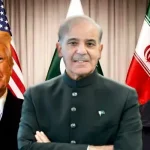
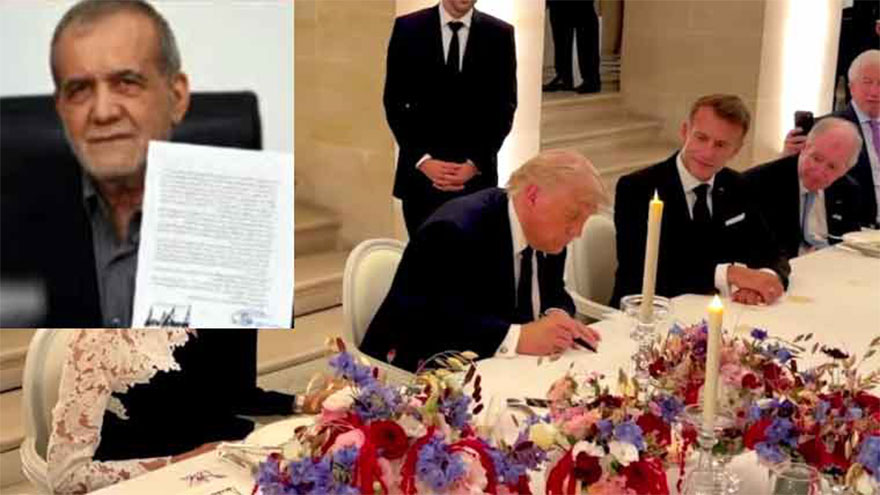
The United States and Iran have signed a new agreement aimed at reducing regional tensions and creating a framework for future negotiations on Tehran’s nuclear program.
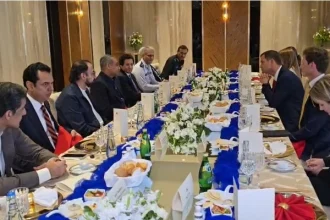
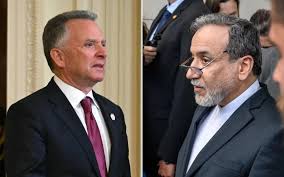
According to officials from both countries, the agreement was finalized following high-level diplomatic discussions held after the G7 Summit in France. The deal is expected to take effect immediately and marks the beginning of a new phase in relations between Washington and Tehran.
As part of the arrangement, Iran has agreed to facilitate the reopening of the Strait of Hormuz, a critical global shipping route, while the United States will ease maritime restrictions affecting Iranian ports. Analysts believe the move could help restore trade activity and improve stability across the Gulf region.
The agreement also includes measures aimed at reducing economic pressure on Iran. US officials indicated that certain sanctions, particularly those affecting Iran’s oil sector, would be eased as negotiations progress. Washington has also expressed support for future reconstruction and economic assistance initiatives tied to a broader nuclear settlement.
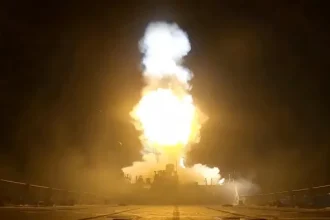
Tensions between the two countries had escalated in recent months following military confrontations and regional security incidents that disrupted trade routes and raised concerns over energy supplies.
Iranian leaders welcomed the agreement, describing it as a diplomatic achievement that demonstrates the country’s ability to negotiate from a position of strength. Officials in Tehran said the Iranian public would ultimately assess the success of the deal based on its long-term impact.
Under the framework, both sides have agreed to enter a two-month negotiation period focused on Iran’s nuclear activities and broader regional security concerns. Reports indicate that Iran will take steps regarding its enriched uranium stockpile under the supervision of international nuclear inspectors.
US officials emphasized that the agreement does not involve direct financial payments from Washington. However, the easing of sanctions and the prospect of increased economic cooperation could provide significant benefits for Iran’s economy.
The deal has sparked debate among political leaders and analysts. Supporters argue that diplomacy offers the best path toward regional stability and nuclear transparency, while critics contend that stronger safeguards are needed to address concerns about Iran’s nuclear ambitions.
Regional reactions have also been mixed, with some political groups welcoming the agreement as a positive step toward reducing conflict, while others remain cautious about its long-term effectiveness.
The reopening of the Strait of Hormuz is expected to be one of the first major indicators of whether the agreement can be successfully implemented. Global energy markets continue to monitor developments closely due to the route’s strategic importance for international oil shipments.
While the agreement has reduced immediate tensions, diplomats acknowledge that significant challenges remain. The coming negotiations will be crucial in determining whether the current understanding can evolve into a lasting settlement that addresses nuclear concerns, regional security issues, and long-term economic cooperation.