
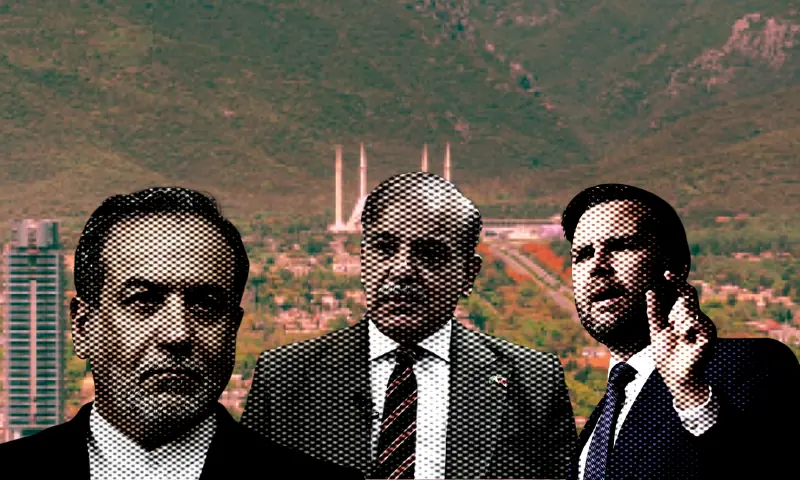
US-Iran Talks in Islamabad: Key Figures and Why the Meeting Matters
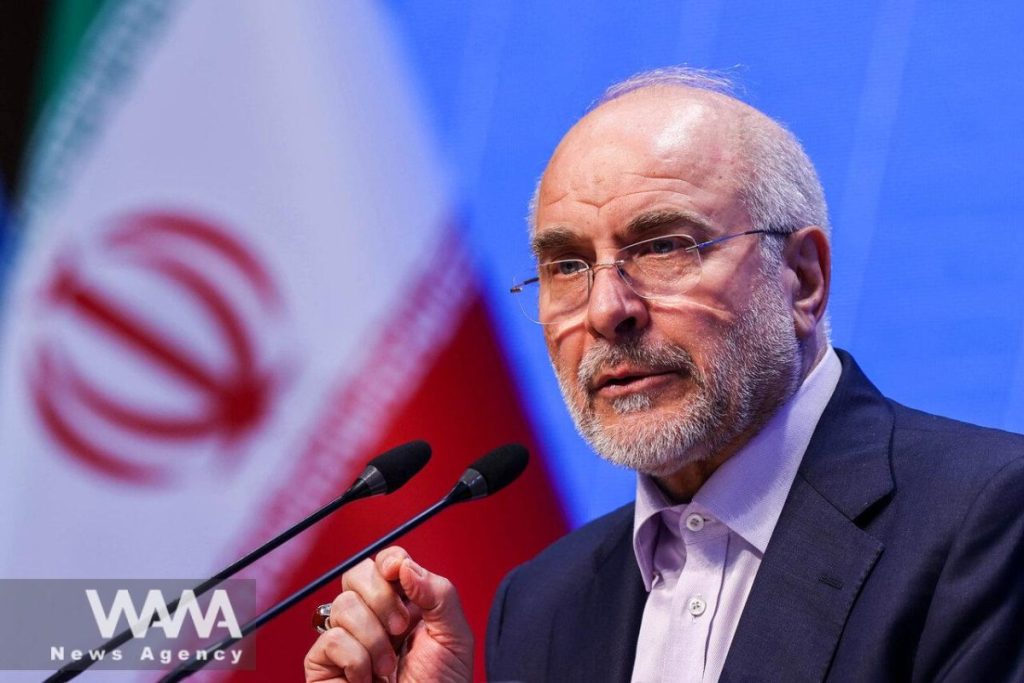
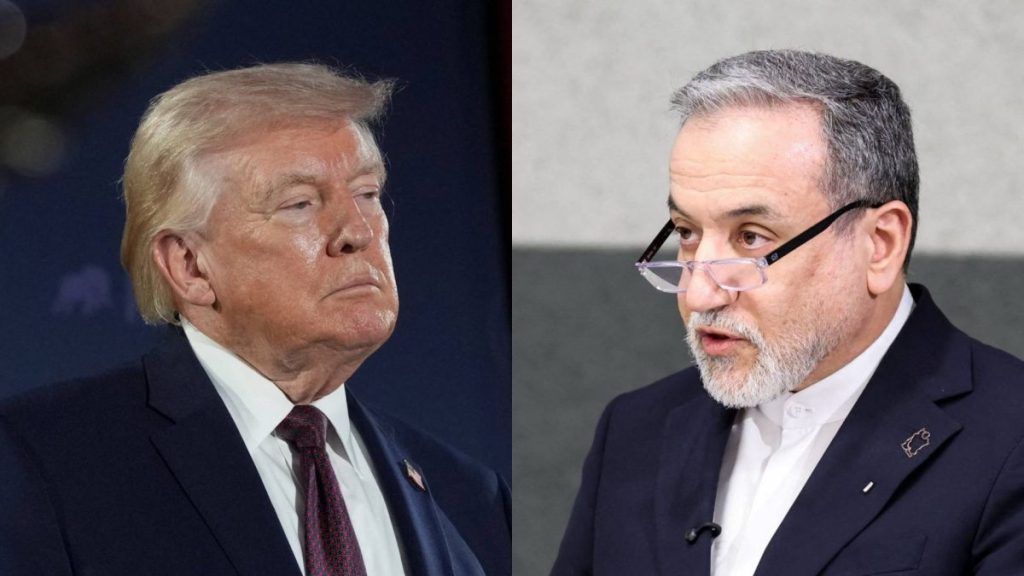
ISLAMABAD: Pakistan will host high-level talks between the United States and Iran this weekend. The goal is to keep a ceasefire and prevent more fighting in the Middle East. The talks come after weeks of conflict involving the US, Israel and Iran. Islamabad played a role in helping to secure a temporary truce. ### Who Is Representing the United States? The US team will be led by Vice President JD Vance. He is an ally of President Donald Trump. Vance has been involved in mediation efforts. Has talked to Pakistani intermediaries throughout the crisis. Also on the US team are Special Envoy Steve Witkoff and presidential adviser Jared Kushner. They have taken part in discussions about Irans nuclear program and regional security.. Iranian officials have expressed concerns about working directly with them. ### Who Will Represent Iran? Irans team will be led by Foreign Minister Abbas Araghchi. He is a diplomat and former chief nuclear negotiator. He played a role in the 2015 nuclear agreement. The Iranian delegation will also include Parliament Speaker Mohammad Bagher Ghalibaf. He is a political figure with strong ties to Irans security establishment. Ali Akbar Ahmadian, a security official will also be there. He is linked to the countrys defense policies. Abdolnaser Hemmati, an expert will also participate. This shows that sanctions relief and financial issues are important in the negotiations. ### Why Are the Talks Important? The Islamabad meeting is the major face-to-face diplomatic effort since the recent conflict. It pushed the region to the brink of a war. The talks in Islamabad matter because they can help prevent fighting. The US and Iran will discuss issues like Irans program, sanctions relief and regional security. Pakistan is playing a growing role as a mediator. This is one of the sensitive crises in the Middle East. ### A Critical Moment The ceasefire is still fragile. Officials hope the Islamabad talks can lay the groundwork for an agreement. This can reduce the risk of renewed conflict. Tensions are still high and trust between both sides is limited. The outcome of these talks could have implications, for regional stability and international diplomacy.