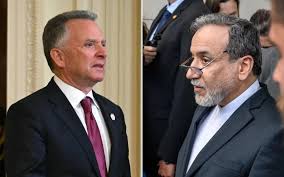
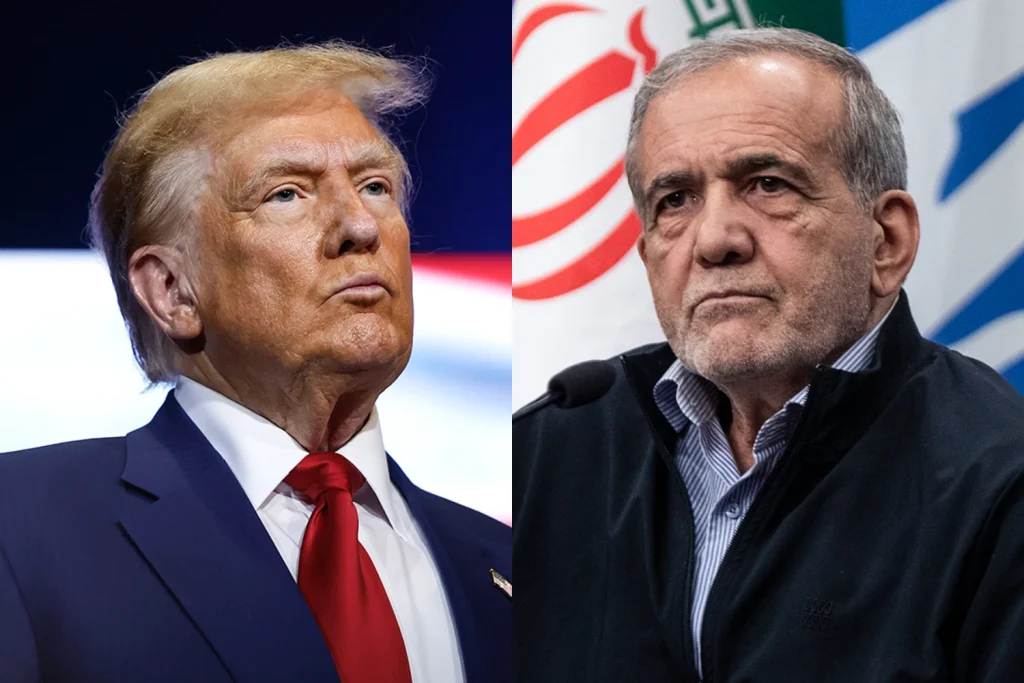
Recent remarks by US President Donald Trump suggesting that Iran is experiencing political instability have sparked renewed debate over the state of the country’s leadership and governance.
Trump has repeatedly claimed that Iran is facing internal divisions and weakening control at the highest levels of power. He has also maintained that US military pressure in the region, including measures affecting the Strait of Hormuz and Iranian ports, will continue while diplomatic efforts remain under review.
According to the US president, recent regional developments have altered the balance of power within Iran and exposed growing fractures in its leadership. However, these assertions have not been independently verified by international observers.
Despite such claims, Iran continues to operate through a centralized political system in which the Supreme Leader holds ultimate authority over key political, military, and strategic decisions. The country’s institutional framework, including parliament and executive bodies, remains functional.
Iranian officials have strongly rejected suggestions of political disorder, insisting that the state remains unified and fully operational. They argue that government institutions continue to carry out their responsibilities despite external pressure and regional tensions.
The Islamic Revolutionary Guard Corps (IRGC) remains one of the most influential institutions in Iran, playing a central role in national security, defence planning, and regional policy. Its continued presence reflects the resilience of the country’s power structure.
At the same time, analysts note that political differences do exist within Iran. Competing views between hardline factions and those favouring greater diplomatic engagement have shaped domestic debates on foreign policy and governance.
However, experts caution that internal disagreements are not uncommon in political systems and do not necessarily signal a collapse of state authority or institutional breakdown.
While the United States continues to apply economic and military pressure, Iran maintains that its political system remains stable. The Strait of Hormuz, a vital route for global energy supplies and trade, continues to be a major point of tension in the broader regional landscape.
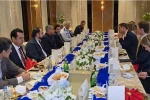
Whether Trump’s claims reflect a deeper reality or are part of a broader political narrative remains a subject of ongoing international discussion. For now, evidence points to a system facing challenges and internal debates, but one that continues to function through its established institutions.